5 Warning Signs Your Yacht in Mallorca Needs Professional Checks
If your yacht spends long periods in a Mallorca marina without you on board, “hoping everything is fine” is not a strategy. Certain patterns are clear warning signs that the boat needs structured, professional checks or guardianage – not just occasional walk‑bys.
Key Takeaways : When It’s Time to Put Your Yacht on a Check Routine
- You regularly arrive to flat batteries, tripped shore power or unexplained electrical issues.
- Lines, fenders and covers are never quite how you left them, especially after bad weather.
- Damp smells, mould spots or condensation keep returning inside the boat.
- Repairs and maintenance feel reactive and rushed, often eating into your holiday time.
- You rely on favours from neighbours or the marina, but no one has clear responsibility.
If two or more of these feel familiar, your yacht in Mallorca almost certainly needs regular professional checks.
1. Electrical Surprises Every Time You Arrive
The first red flag is what greets you when you step on board after a few weeks away:
- House or engine batteries are low or completely flat.
- Shore power has tripped and no one noticed or reset it.
- Chargers, fridges, dehumidifiers or air‑conditioning have stopped with no clear reason.
Modern yachts live and die by their electrical systems. Long idle periods, heat and constant low‑level loads are tough on batteries and chargers, especially in Mallorca’s climate. When you keep discovering dead batteries or non‑working systems on arrival, it usually means:
- No one is checking power status in between visits.
- Early warning signs (warm plugs, strange charger behaviour, slow cranking) are being missed.
Professional checks include a simple power routine: confirm shore‑power, verify voltages, spot abnormal loads, and report issues before they ruin a weekend or damage equipment.
2. Lines, Fenders and Covers Tell a Different Story
Another clear sign is what your mooring setup looks like after weather has come through:
- Fenders are out of position, too high or too low, or visibly worn.
- Lines show flat spots, glazing or obvious chafe, especially at fairleads.
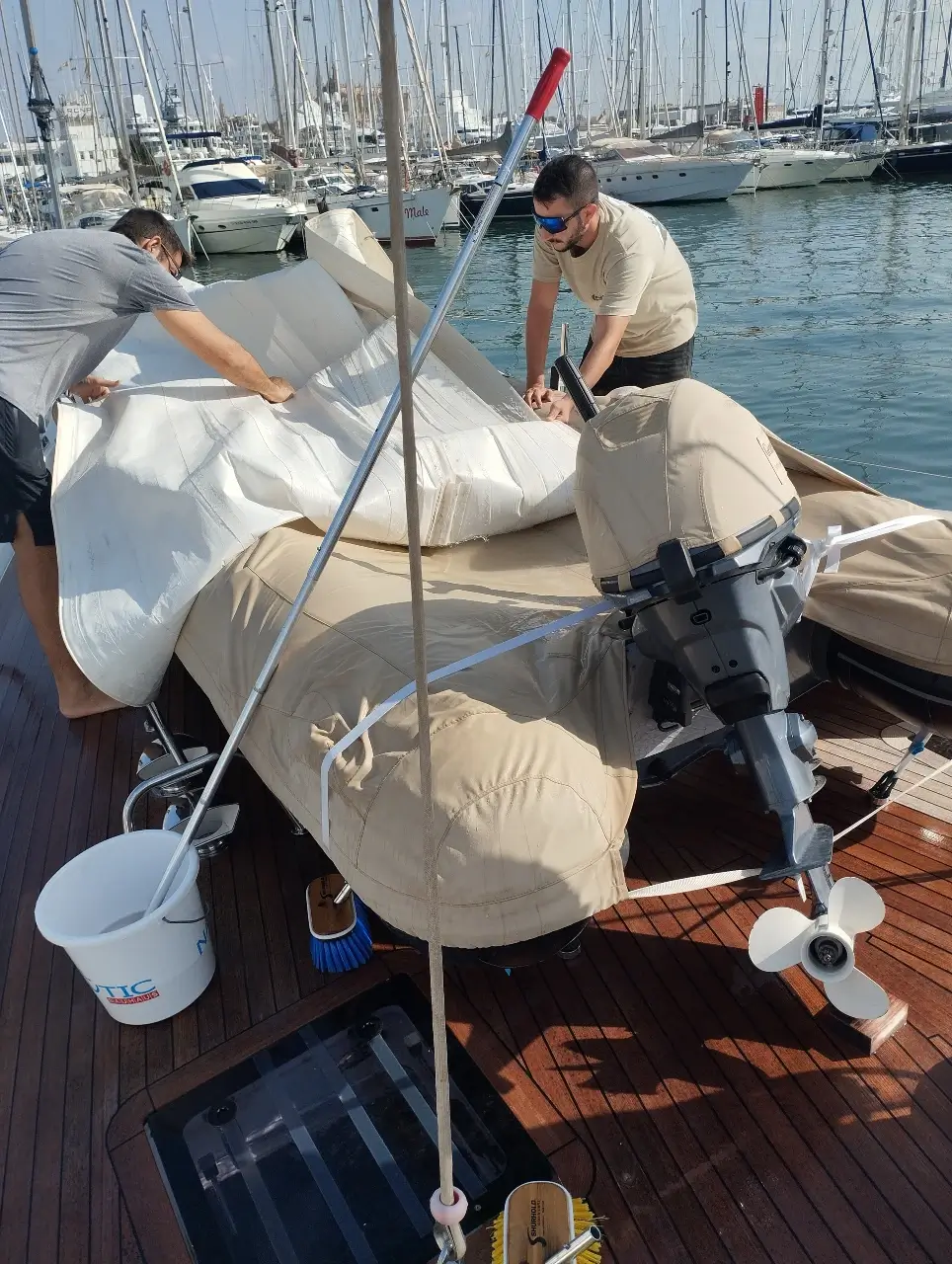
- A cover that was secure is flapping, torn, or half‑undone.
Mallorca doesn’t just have postcard‑calm days; it has strong winds, ferry wash, and winter blows that can work on your mooring gear for hours. If you repeatedly find:
- Evidence that someone had to adjust your lines, or
- Your setup clearly not how you left it
that’s your yacht telling you it is riding out more than you realise between visits.
Regular professional checks include mooring and fender inspections, adjustments and chafe protection as standard – not just “if someone happens to notice”.
3. Persistent Damp Smells, Mould or Condensation
Interiors often reveal problems before systems do:
- A persistent damp or musty smell when you open the companionway.
- Mould spots on headlinings, blinds, mattresses or inside lockers.
- Condensation or water marks around windows, hatches or behind cushions.
In Mallorca’s humidity, a closed‑up yacht can develop mould in weeks. Dehumidifiers and air‑conditioning help, but only if someone:
- Confirms they are actually running.
- Checks drains and hoses for blockages.
- Opens and airs the boat periodically when conditions allow.
If you clean mould at the start of each trip and it’s back by your next visit, the yacht is going too long without a proper interior and ventilation check. Professional guardianage builds that into every visit.
4. Maintenance Always Feels Like a Fire Drill
Think about your last couple of seasons:
- Do you discover new issues every time you arrive – leaks, smells, failures – and spend your first days fixing rather than cruising?
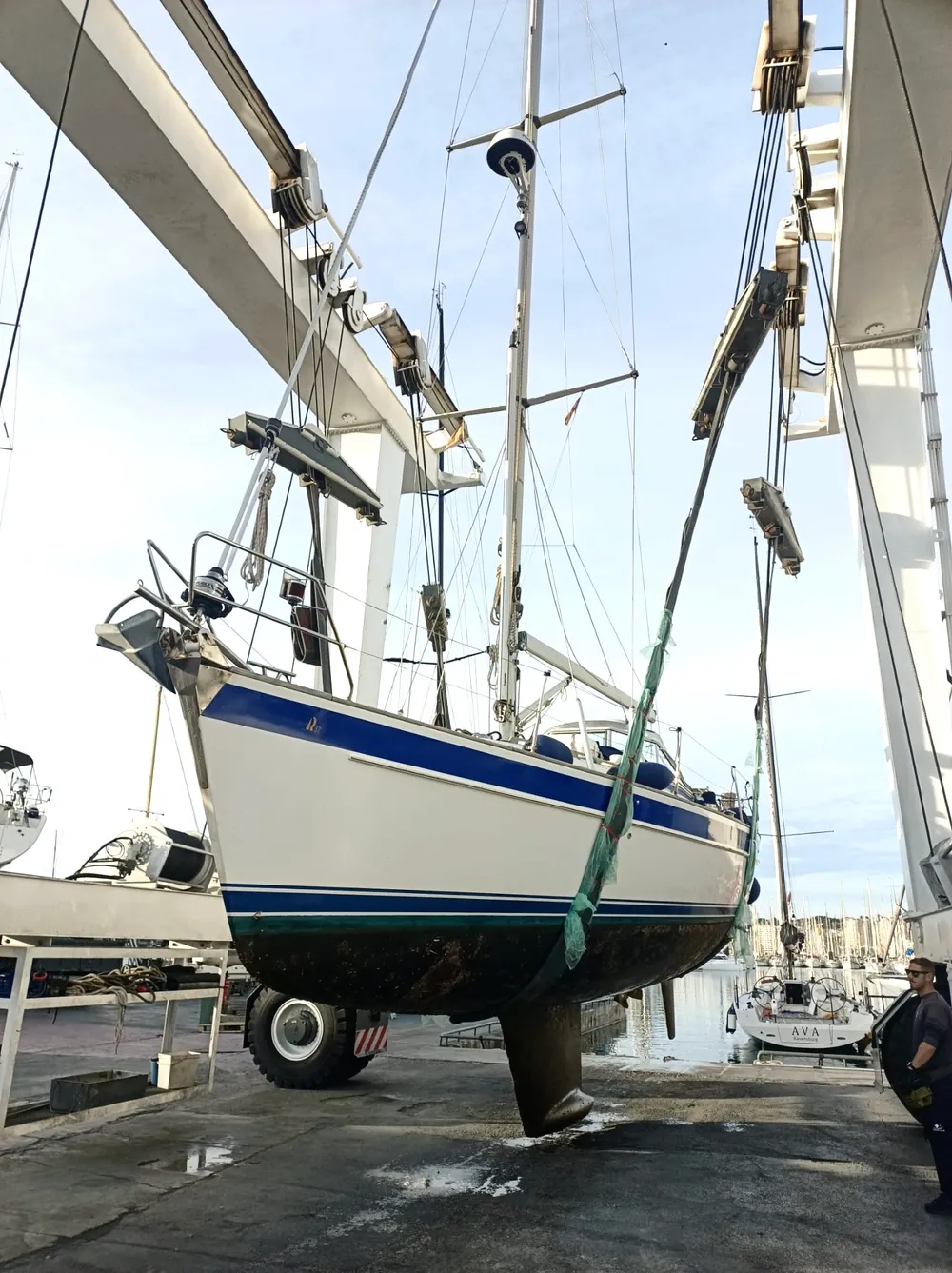
- Do lift‑outs, antifouling and servicing always feel squeezed into your limited time on the island?
- Do you often pay for emergency call‑outs because something failed at the worst moment?
That pattern is what “reactive maintenance” looks like. It’s usually not that the boat is “unlucky”; it’s that small issues were missed because no one was checking regularly.
Professional checks change the rhythm:
- Small problems are spotted and logged early.
- Non‑urgent work is scheduled outside your visit windows.
- Your time on board is for using the yacht, not firefighting maintenance.
When you feel you spend more time managing problems than enjoying the boat, that’s a strong sign it’s time to formalise inspections.
5. You Rely on Favours Instead of Clear Responsibility
A very common situation for foreign owners in Mallorca:
- A friendly neighbour “keeps an eye” on the boat.
- Marina staff say they’ll call if they see anything wrong.
- Family members visit the yacht sometimes but with no checklist or structure.
This works as long as everyone is available, attentive and confident in what they’re looking for – which is a lot to expect from people who aren’t formally responsible. Warning signs include:
- You’re not sure how often anyone actually steps on board.
- Different people tell you different things about the yacht’s condition.
- You don’t have any written record or photos of inspections between your visits.
Professional checks replace “goodwill” with clarity:
- A named person or team visits on a set schedule.
- Each visit follows a checklist (power, bilges, moorings, interior).
- You receive a short report and photos, so you know what’s really happening.
When you can’t answer “who last checked my yacht and what did they look at?” without guessing, it’s time to formalise.
How Often Should Professional Checks Happen?
There’s no one formula, but for Mallorca‑based yachts:
- Light guardianage – every 2–4 weeks:
- Smaller, simpler yachts in sheltered marinas, owner visits fairly often.
- Standard guardianage – weekly:
- 10–20 m yachts, more complex systems, absentee owners.
- Enhanced checks – weekly plus storm call‑outs:
- Higher‑value yachts, more exposed berths, or periods of heavy weather.
You can always start slightly more frequent and adjust once you see how quickly issues appear in your marina.
What a Professional Check Should Actually Include
When you pay for checks, you should expect more than “walked past, looks fine”. A solid visit normally covers:
- Power – shore‑power live, charger status, basic battery voltages.
- Bilges and leaks – visual inspection, pump test if appropriate.
- Mooring and fenders – line condition and chafe, fender placement, springs.
- Interior – doors and hatches, obvious signs of damp, mould or intrusion.
- Deck and exterior – covers, windows, hatches, signs of impact or damage.
- Report – short written summary and a few photos sent that day.
Anything less than this is not a “professional check”; it’s a favour.
A Different Way to End: Quiet Confidence
If these five warning signs sound familiar, it doesn’t mean you’ve been negligent – it simply means your yacht in Mallorca is living on hope rather than structure. A light, regular check routine is often all it takes to turn that around.
The most useful next step is to decide what “looked after” should mean for your boat: how long you’re comfortable leaving it unchecked, which risks worry you most (power, storms, damp), and how detailed you want reports to be. Once you’ve written that down, you can either build your own checklist for when you’re on the island – or ask a trusted local guardian to follow it for you when you’re not.