The Complete Yacht Maintenance Checklist for Mallorca Owners (12-Month Plan)
Yacht maintenance in Mallorca is different from yacht maintenance anywhere else. The Mediterranean climate is gentler than the North Sea but tougher than most owners expect: salt air year-round, intense UV from May to October, Saharan dust events, sudden storm fronts in winter, and humidity that ruins interiors faster than you’d think possible.
This is a month-by-month checklist for keeping a yacht properly maintained in Mallorca. It’s the rhythm we follow on yachts under our care, adapted for owners who want to know what should be happening even if they’re handling it themselves.
This is the abbreviated version. For the full illustrated 12-page Annual Yacht Owner’s Checklist (with seasonal tips and continuous checks), download our free PDF guide.
Most yacht maintenance content online is built around manufacturer service intervals: oil at 100 hours, antifouling annually, rigging at 5 years. That’s useful — but it misses what actually breaks yachts in Mallorca.
In Mallorca, yachts don’t usually fail because manufacturer intervals were missed. They fail because:
- A bilge pump worked fine for two months unattended, then stopped — and no one noticed
- Saharan dust got rinsed only once that summer, and now deck fittings are pitted
- A mooring line chafed through during a December storm because no one inspected it
- Humidity built up in a closed-up cabin and rotted upholstery and bulkheads
- A battery died slowly over winter and took the bilge alarm with it
None of these are ‘service interval’ issues. They’re ‘someone needs to look at this’ issues. A real maintenance plan is structured around when those checks happen — month by month — not just when manufacturers want a service.
The yearly rhythm
January — February: Storm Season
- Weekly: lines, fenders, bilges, batteries, deck check
- After every storm: full inspection within 24 hours
- Monthly: run engine and generator to operating temperature
- Saharan dust events: rinse within 48 hours
March: Pre-Season Prep
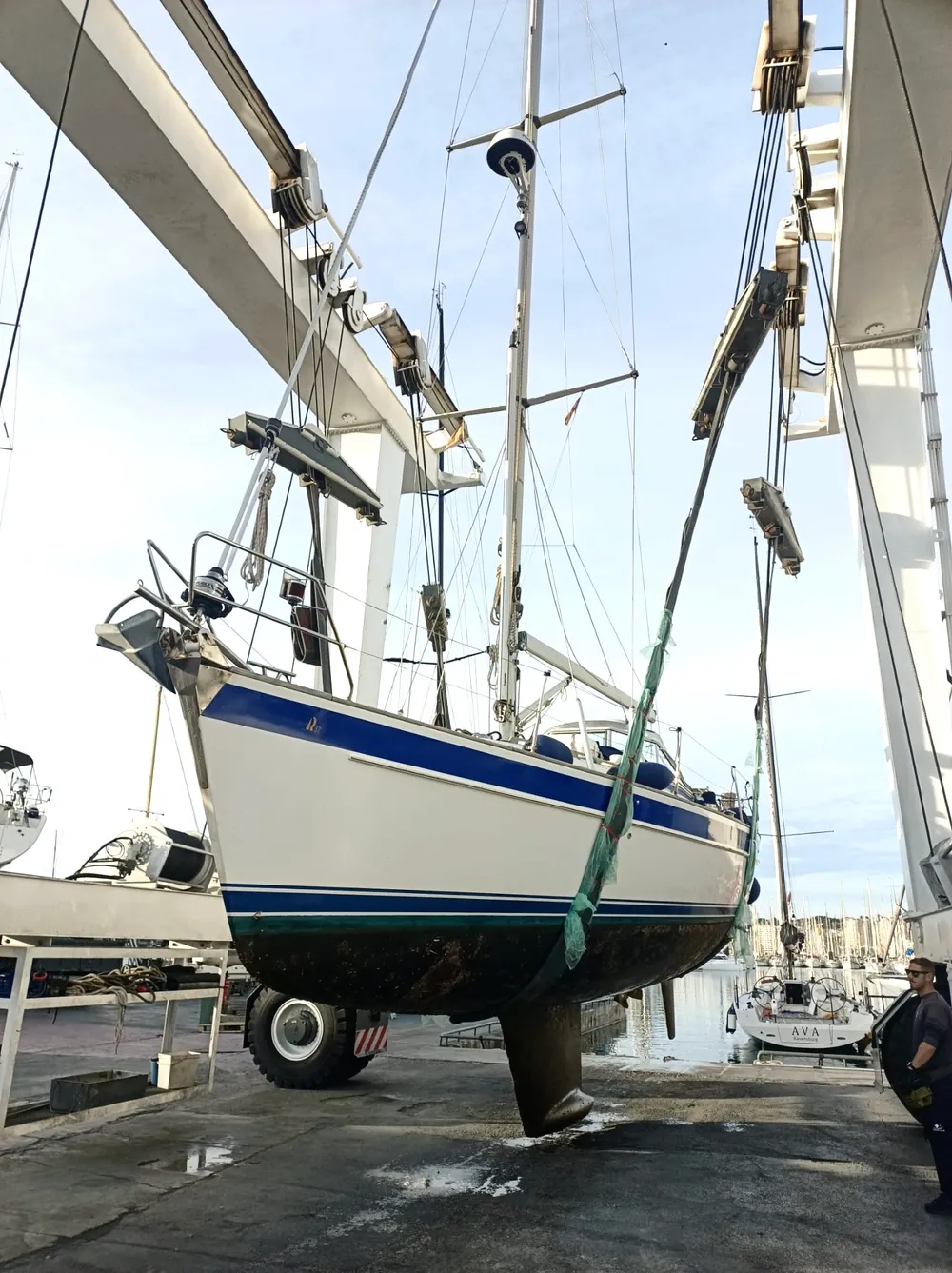
- Schedule lift-out for antifouling, anodes, hull inspection
- Service main engine and generator (oil, filters, impellers, belts)
- Full rig inspection (sailing yachts)
- Test all electronics under power
- Service winches and roller furling
April: Commissioning
- Sea trial — all systems tested under load
- Deep clean interior, check for mould
- Refresh safety equipment (flares, EPIRB, lifejackets)
- Confirm insurance, registration, licence dates
- Hull and stainless polish
May — June: Season Begins
- Owner-arrival commissioning
- Test water maker, AC, refrigeration under summer load
- After each use: rinse, fenders, lines
- Schedule any 100h or 250h engine services
July — August: Peak Season
- Continuous use checks
- Watch hull growth (antifouling fails faster in hot harbours)
- Run engine weekly even between cruises (heat stresses cooling systems)
- Pre-storm prep for summer fronts (gota fría)
- Monitor air conditioning, refrigeration efficiency
September: Late Season
- Mid-season engine and generator service if not done
- Full sail, winch and rigging inspection after summer use
- Begin lay-up planning for winter
- Book refit yard time for October–March
October: Off-Season Prep
- Full deep clean — inside and out
- Empty fridges, treat for moisture
- Service engine and generator before lay-up
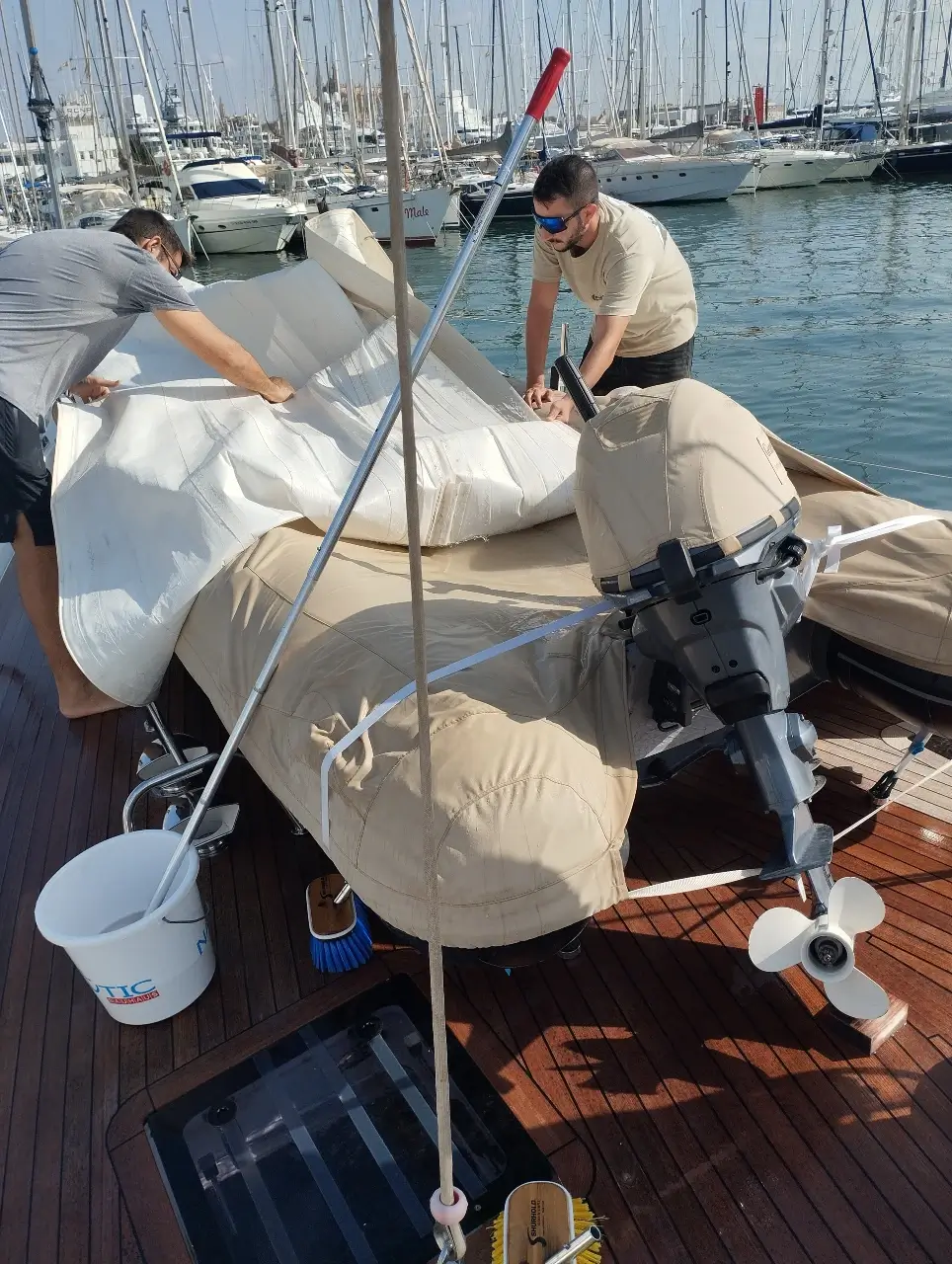
- Cover sails, biminis, instruments for UV protection
- Double mooring lines, install storm chafe protection
November — December: Winter Watch
- Weekly visit minimum
- Pre-storm prep, post-storm inspection
- Photo report after every visit
- Run engine monthly to operating temperature
- Year-end maintenance log review
Five maintenance tasks Mallorca owners chronically underestimate
- Antifouling. The Mediterranean grows fouling fast. Most yachts need antifouling every 12 months minimum in Mallorca, and busy harbours can require it sooner. Skipping a year is false economy — you’ll pay it back in fuel and speed loss within months.
- Anodes. Galvanic corrosion is real and constant. Hull anodes should be inspected every 3–6 months and replaced when below 50%. A failed anode protecting a stern drive can cost €3,000–€8,000 in damage.
- Bilge ventilation. The single biggest cause of yacht interior damage in Mallorca isn’t water — it’s humidity. Closed-up cabins develop mould within weeks. Active dehumidification, ventilation, and regular airing matter as much as any mechanical service.
- Mooring lines and chafe gear. UV degrades line strength continuously. Lines that look fine can fail under load in a storm. Replace high-load lines every 18–24 months and inspect chafe protection monthly.
- Batteries. Mediterranean heat and constant low-level shore-power discharge ruins batteries faster than people expect. Most house bank batteries in Mallorca need replacement every 4–6 years, sooner if they spend summers in 35°C engine rooms.
How professional yacht management changes the maintenance picture?
This is a long checklist. For an absentee owner who sees their yacht for 4–6 weeks a year, it’s not realistic to handle all of it personally. Two practical paths:
- DIY with concentrated visits: schedule 2–3 maintenance trips per year (typically March, June and October), and accept that some between-visit issues will be missed
- Professional management: someone visits weekly, follows the checklist, and reports back. Issues get caught early. Maintenance is scheduled, not reactive
For yachts under 18 metres, the cost difference is smaller than most owners expect — and the cost of one missed issue (a flooded bilge, mould remediation, a corroded shaft) usually exceeds a year of management fees.
Summary
Yacht maintenance in Mallorca isn’t about service intervals — it’s about continuous attention to the things that go wrong when no one is watching. A 12-month rhythm of seasonal checks, regular inspections and proper documentation is the framework that keeps a yacht reliable, valuable and ready to use.
If you’d like a structured plan tailored to your yacht’s age, type and usage pattern, request a free yacht assessment. We’ll review your current setup and recommend the right level of care.