How Should I Prepare My Yacht in Mallorca for Storm Season?
To prepare your yacht in Mallorca for storm season you need more than extra fenders; you need a clear plan covering moorings, onboard systems, weather monitoring, and local response when you are not on the island. For a broader overview of structured yacht management in Mallorca, see our complete guide for foreign owners. Good preparation turns unpredictable storms into manageable events.
Storm Prep Basics
- Understand your marina’s exposure to Tramuntana, Levante and local swell patterns.
- Double‑check lines, chafe protection, fenders, and shore power before stormy periods.
- Secure sails, covers and loose deck gear; minimise windage.
- Ensure bilge pumps, batteries and charging systems are healthy.
- Arrange local guardianage or management to perform pre‑ and post‑storm checks when you are away.
When is “storm season” in Mallorca?
Mallorca’s summer is generally calm, but autumn, winter and early spring can bring:
- Strong northerly (Tramuntana) and easterly (Levante) winds. Leaving a yacht unattended in Mallorca during these months significantly increases risk without regular inspections.
- Periods of heavy rain
- Swell and surge in more exposed marinas
While extreme storms are not daily events, you should treat these months as a higher‑risk period, especially if your yacht remains in the water with no one aboard.
1. Assess your berth exposure
Not all berths in Mallorca are equal in a storm. Consider:
- Is your berth exposed to fetch from a particular direction? Berth positioning and exposure are key factors in the real annual cost of keeping a yacht in Mallorca.
- Do you sit near an entrance, turning area or ferry track with more movement?
- Is your pontoon rigid or flexible, and how does it behave in heavy weather?
Speak to local staff and experienced neighbours about how your specific dock behaves during strong winds. Use that information to plan line patterns and fender placement.
2. Mooring and line setup
Before storm season:
- Inspect all lines for chafe, UV damage and stiffness.
- Use appropriate line diameter and elasticity for your yacht’s size.
- Add extra spring lines where possible to reduce snatch loads.
- Fit robust chafe protection at fairleads and contact points.
- Ensure cleats, bollards and fairleads are in good condition and properly backed.
In storm forecasts:
- Double critical lines if possible.
- Re‑check knots, shackles and attachment points.
- Verify that your yacht cannot contact the dock or neighbouring boats as it moves.
3. Fenders and protection
Effective fendering can be the difference between a stressful storm and a simple clean‑up:
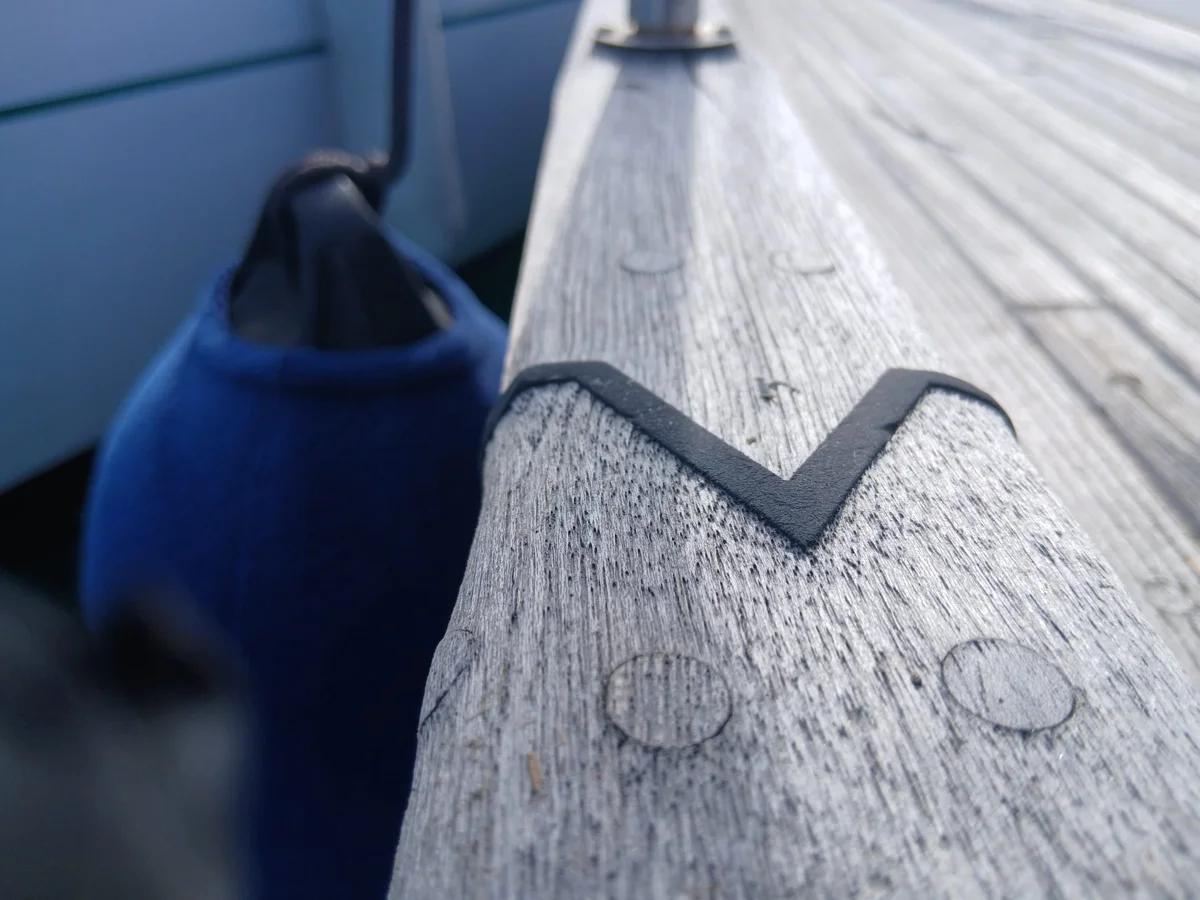
- Use sufficient fenders for the yacht’s size and freeboard.
- Position fenders both at the dockside and between neighbouring yachts where appropriate.
- Add fender boards or long fenders where movement is significant.
- Check fender lines for chafe and adjust heights for storm conditions, not calm weather photos.
Guardianage or management services often include regular fender adjustments and pre‑storm checks for this reason.
4. Reduce windage and secure deck gear
Before stormier months:
- Remove or secure loose items: cushions, furniture, tenders on deck, toys, etc.
- Lash booms securely; lock wheels or tillers as appropriate.
- Secure biminis, sprayhoods and covers; remove them if they are not storm‑capable.
- For sailing yachts, furl sails tightly and use additional ties or straps; avoid leaving headsails partially furled.
Anything that can flap, tear or catch the wind will be stressed during storms and can damage itself or other equipment.
5. Check bilge pumps, batteries and shore power
Storms bring more than wind; they often bring rain, humidity and power interruptions.
Before storm season:
- Test manual and automatic bilge pumps and float switches.
- Confirm battery health and charging capacity.
- Inspect shore power cables, plugs and connections.
- Consider alarms or monitoring systems that alert you or your management company to power loss, battery voltage or water ingress.
If shore power trips during a storm and no one is there to reset it, you may lose battery charging, dehumidification and monitoring—raising the risk of damage.
6. Have a local storm response plan
If you do not live in Mallorca, rely on a defined local plan rather than ad‑hoc favours. A professional yacht guardianage service in Mallorca ensures structured response during forecasted storms.
- Agree with your guardianage or yacht management company what they will do before and after forecast storms.
- Ensure they have access keys and understand your setup and priorities.
- Confirm how and when they will report back to you (photos, checklists, messages).
This turns “bad weather” from a source of anxiety into an operational routine.
7. Example: Storm preparation in a Palma marina
For a typical 45ft yacht in a Palma berth, a good storm plan might include:
- Seasonal line upgrade with extra springs and chafe gear.
- Fenders set for the typical range of movement plus a spare or two on board.
- Regular guardianage inspections, increasing frequency in winter.
- Before a forecast Tramuntana blow: line check, fender check, removal of loose gear, power and bilge test.
- After the storm: visual hull and deck check, line and fender adjustment, engine space and bilge inspection, and a short written report.
Storms in Mallorca are manageable if you prepare systematically. The combination of good mooring practice, reduced windage, reliable systems and local oversight significantly reduces risk and stress. For owners based abroad, storm season preparation is just one part of comprehensive yacht management in Mallorca.